




Pestemal Fabrics Explained: Cotton, Bamboo, Linen and Recycled Cotton
Pestemals are most often made from 100% cotton, but also from bamboo-cotton blends, linen, organic cotton and recycled cotton. Cotton is the best all-round choice; bamboo adds softness, linen dries fastest, and recycled or organic cotton suits sustainable brands.
Pestemals are most often made from 100% cotton, but they are also woven from bamboo blends, linen, organic cotton and recycled cotton. Cotton is the all-round choice for absorbency and price; bamboo adds softness; linen dries fastest and feels crisp; recycled and organic cotton suit brands with sustainability goals. The right fabric depends on the end use, the feel you want and your price point.
Key fact: Cotton is the standard pestemal fabric; organic and recycled cotton are the main certified alternatives.
What fabrics are pestemals made from?
A pestemal is defined by its flat weave, not by a single fibre. The most common options are:
- Cotton (standard, combed or Turkish/Aegean cotton)
- Organic cotton
- Recycled cotton (usually blended with virgin cotton or polyester for strength)
- Bamboo viscose blends (typically mixed with cotton)
- Linen and cotton-linen blends
Why is cotton the most common pestemal fabric?
Cotton absorbs water well, becomes softer with every wash, is easy to dye and finish, and is cost-effective at scale. Türkiye has a long cotton-growing and weaving tradition, which is why Turkish cotton pestemals are the benchmark. Combed cotton, where short fibres are removed, gives a smoother surface and less lint.
Bamboo vs cotton pestemals: what is the difference?
Bamboo viscose is very soft, has a slight sheen and a cool, smooth hand-feel. It is usually blended with cotton (for example 50/50) to add strength and stability. Bamboo blends feel more luxurious and drape well, which makes them popular for spas and premium retail; they typically cost more than standard cotton.
Are linen pestemals better?
Linen is strong, quick-drying and gets softer over time, with a natural textured look. It feels crisper than cotton at first and is usually more expensive. Cotton-linen blends combine linen's fast drying and look with cotton's softness and lower cost.
What are recycled cotton pestemals?
Recycled cotton is made from cotton waste, such as cutting scraps, that is shredded and re-spun into yarn. It lowers water use and waste compared with virgin cotton. Because recycled fibres are shorter, they are normally blended with other yarn for durability. Recycled pestemals are a strong choice for brands with sustainability messaging. Read more in benefits of recycled cotton towels.
Is organic cotton worth it for pestemals?
Organic cotton is grown without synthetic pesticides or fertilisers. It performs like conventional cotton, but it lets brands make certified sustainability claims. If certification matters for your market, ask for the relevant certificate (for example GOTS or OCS) before ordering.
Pestemal fabric comparison
| Fabric | Feel | Absorbency | Drying | Relative price | Best for |
|---|---|---|---|---|---|
| Cotton | Soft, softens with washing | High | Fast | $ | All-round, wholesale, hotels |
| Organic cotton | Like cotton | High | Fast | $$ | Certified eco brands |
| Recycled cotton blend | Slightly more textured | Good | Fast | $–$$ | Sustainable lines |
| Bamboo-cotton blend | Very soft, silky | High | Medium | $$ | Spa, premium retail |
| Linen / cotton-linen | Crisp, textured | Good | Fastest | $$–$$$ | Beach, boutique, home |
How do I choose the right fabric for my order?
- Hotels and hammams: cotton, for durability under frequent washing.
- Spas and premium retail: bamboo-cotton blends or combed cotton.
- Beach and travel brands: cotton or cotton-linen, for fast drying.
- Sustainable brands: recycled or organic cotton, with certificates.
- Promotional orders: standard cotton at a lighter weight.
Fabric works together with weight and weave. Read pestemal GSM explained, then order samples to compare fabrics in hand.
What is a 100% cotton muslin pestemal?
Muslin is a light, open cotton gauze. A 100% cotton muslin pestemal is airy, soft from the first use and dries quickly, and suits beach, baby and summer ranges. Pestemal.com produces 100% cotton muslin pestemals in Denizli; see weave types.
Key takeaways
- Cotton is the most common and versatile pestemal fabric.
- Organic cotton should be backed by GOTS; recycled cotton by GRS.
- Bamboo and linen blends add softness or texture at a higher price.
- Choose fabric by use, feel, care and price.
- Pestemal.com holds OEKO-TEX Standard 100 (IS025 136549 OETI), GOTS, GRS, ISO 9001:2015 and Sedex.
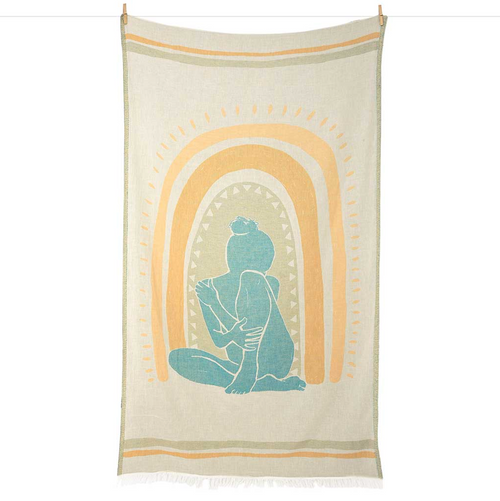
Our pestemals are woven in Denizli, Türkiye, mainly from cotton, with organic cotton and recycled cotton options for sustainable collections. We hold OEKO-TEX Standard 100, GOTS and GRS certifications, so brands can make verified claims on their labels. Cutting and sewing are done in-house, which keeps quality consistent from yarn to finished towel.
Frequently asked questions
What is the best fabric for a Turkish towel?
100% cotton is the best all-round choice for absorbency, softness over time and price. Bamboo blends and linen suit more premium or specialised uses.
Are bamboo pestemals 100% bamboo?
Usually not. Most are bamboo viscose blended with cotton, which improves strength and shape stability.
Do linen pestemals absorb water?
Yes. Linen absorbs well and dries faster than cotton, although it feels crisper at first.
Are recycled cotton towels durable?
Yes, when the recycled fibre is blended with stronger yarn. Ask for the blend ratio when ordering.
Can I mix fabrics in a private label collection?
Yes. Many brands offer a cotton core range with bamboo or linen options as premium lines.